
Newsletter Volume 11, Issue 1 March 2026
IPA Awards: Advancing Press-in Engineering – Voices from the 2024 Distinguished Research Award Recipients
IPA Awards Committee
Research Spotlight:
Bearing characteristics of model piled raft foundations supported by sheet pilesInternational Journal of Physical Modelling in Geotechnics, Vol. 24, Issue 1, pp. 38–53, January 2024 https://doi.org/10.1680/jphmg.22.00053
Series Introduction — Why Distinguished Research Matters
This featured research exemplifies the series’ mission to advance innovation in press-in engineering. In this issue, we spotlight a study that explores sheet piles as viable elements in piled raft foundations.
Across rapidly urbanizing regions and heritage‑sensitive city cores, the promise of press‑in engineering lies in precision, low disturbance, and design agility. The IPA Distinguished Research Awards program recognizes research that significantly contributes to the advancement of press-in engineering, as documented in peer-reviewed publications. This series highlights award-winning research shaping the future of press-in engineering, focusing on practical innovation and personal perspectives from award recipients.Research Overview (summary)
Authors:Xi Xiong (Kanazawa University), Wentao Guo (Datang Carera Investment Co., Ltd), Tatsunori Matsumoto (Kanazawa University), Yukihiro Ishihara (GIKEN LTD.)
Study Scope and Approach:
The team performed controlled physical model tests and complementary finite‑element analyses to compare three piled raft configurations (see Fig. 1) in air‑dried silica sand:- OPF: Open‑ended pipe pile foundation (four piles)
- PPF: Plate pile (sheet pile) foundation (four piles)
- BPF: Box‑shaped sheet pile foundation (single pile)
Two key regimes were studied:
1. Vertical loading- PG (pile‑group only): raft not in contact with the ground
- PR (pile‑raft contact): raft base in contact with the ground
(see Figure 3 for vertical load–displacement relations under PG and PR)
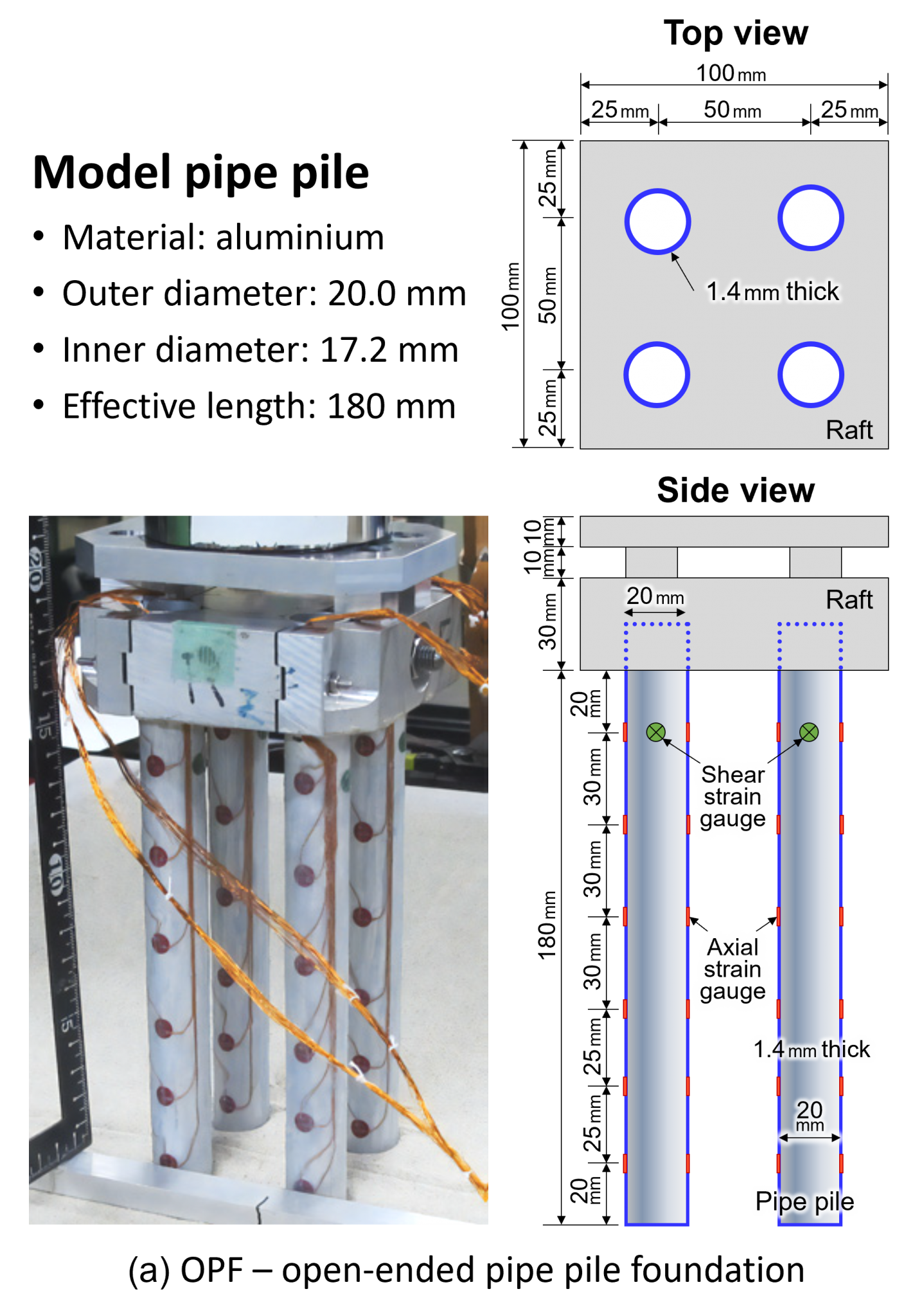
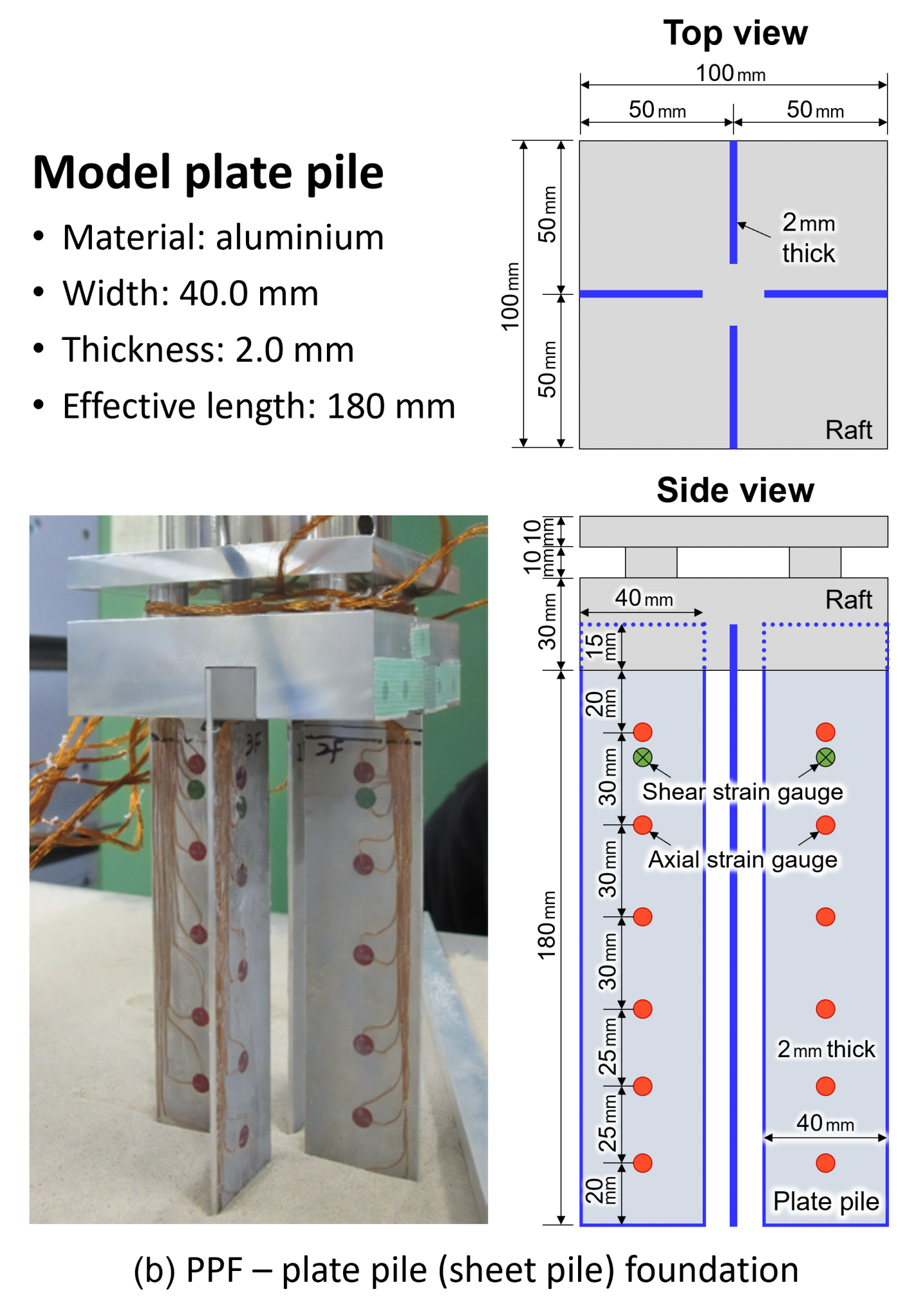
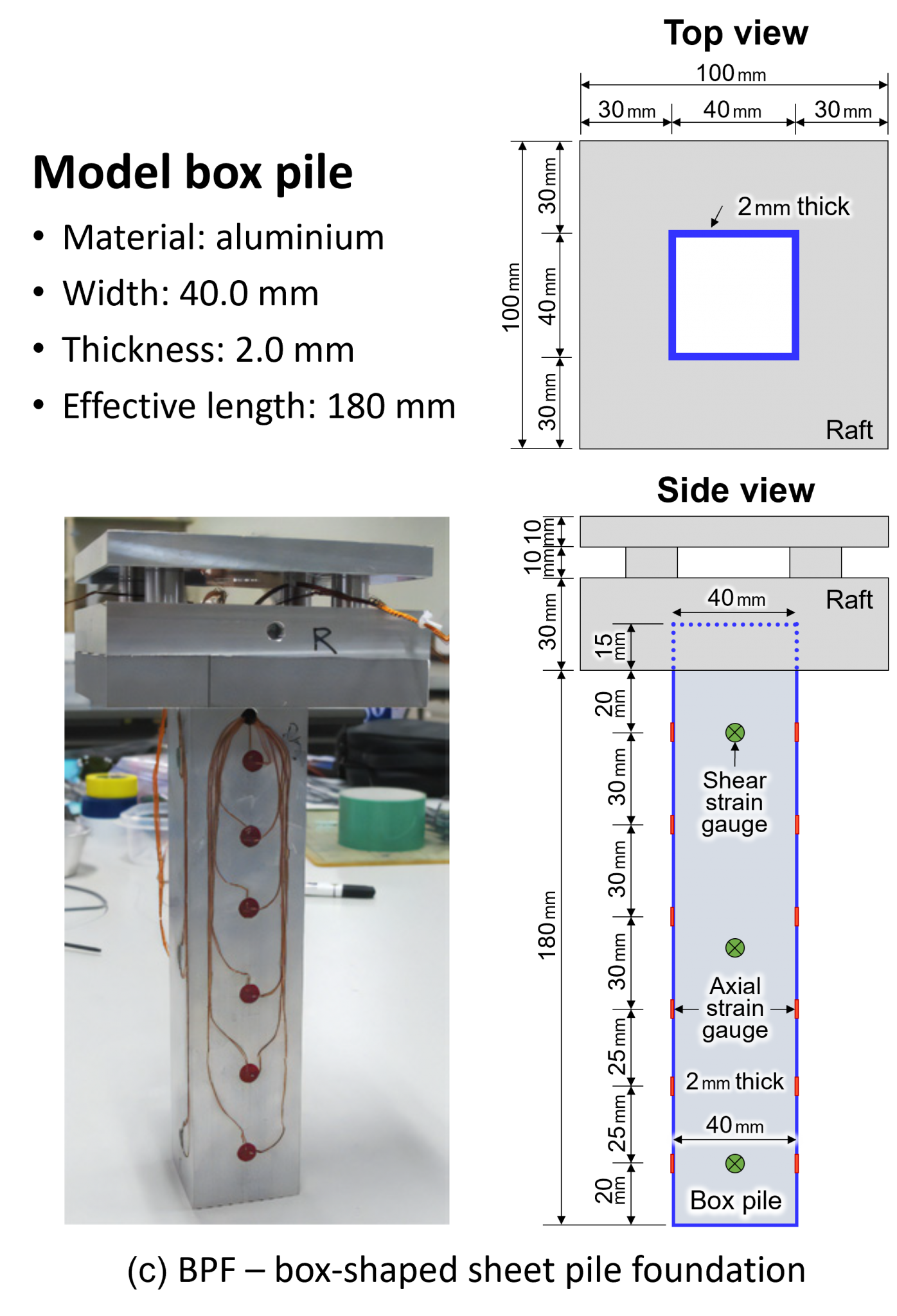
Fig. 1. Model piled raft foundations tested in the study: (a) OPF – open-ended pipe pile foundation; (b) PPF – plate pile (sheet pile) foundation; (c) BPF – box-shaped sheet pile foundation. All piles were rigidly connected to a square raft (100 mm width).
(Adapted from Xiong et al. (2024), International Journal of Physical Modelling in Geotechnics.)
Key findings:
- Under PG conditions in the model tests (air-dried silica sand, scaled foundation), OPF exhibited approximately twice the vertical resistance of PPF. However, when the raft engaged the ground (PR), PPF’s total vertical capacity rose sharply and became comparable to OPF (see Figures 2: overall vertical response, and 3: PG/PR breakdown). Mechanistically, raft contact raises soil stress around the piles, boosting shaft resistance—an effect amplified by the larger shaft area of sheet‑pile elements.
- Under horizontal loading, PPF matched OPF’s horizontal capacity at larger displacements while minimizing raft inclination (see Figure 4). The arrangement leveraged plate piles’ strong‑axis bending rigidity, improving rotation control compared to OPF and BPF.
- Arrangement matters: Comparisons between PPF and BPF show geometry and layout strongly influence performance; in design, sheet‑pile arrangement should be treated as a primary variable, not a mere substitution of pile type.
- Plaxis 3D hypoplastic-soil model reproduced measured behaviors sufficiently for performance-oriented design studies, although initial stiffness was slightly underestimated due to the omission of ground preparation and penetration effects—demonstrating a practical path for designers to model foundation–soil interaction credibly.
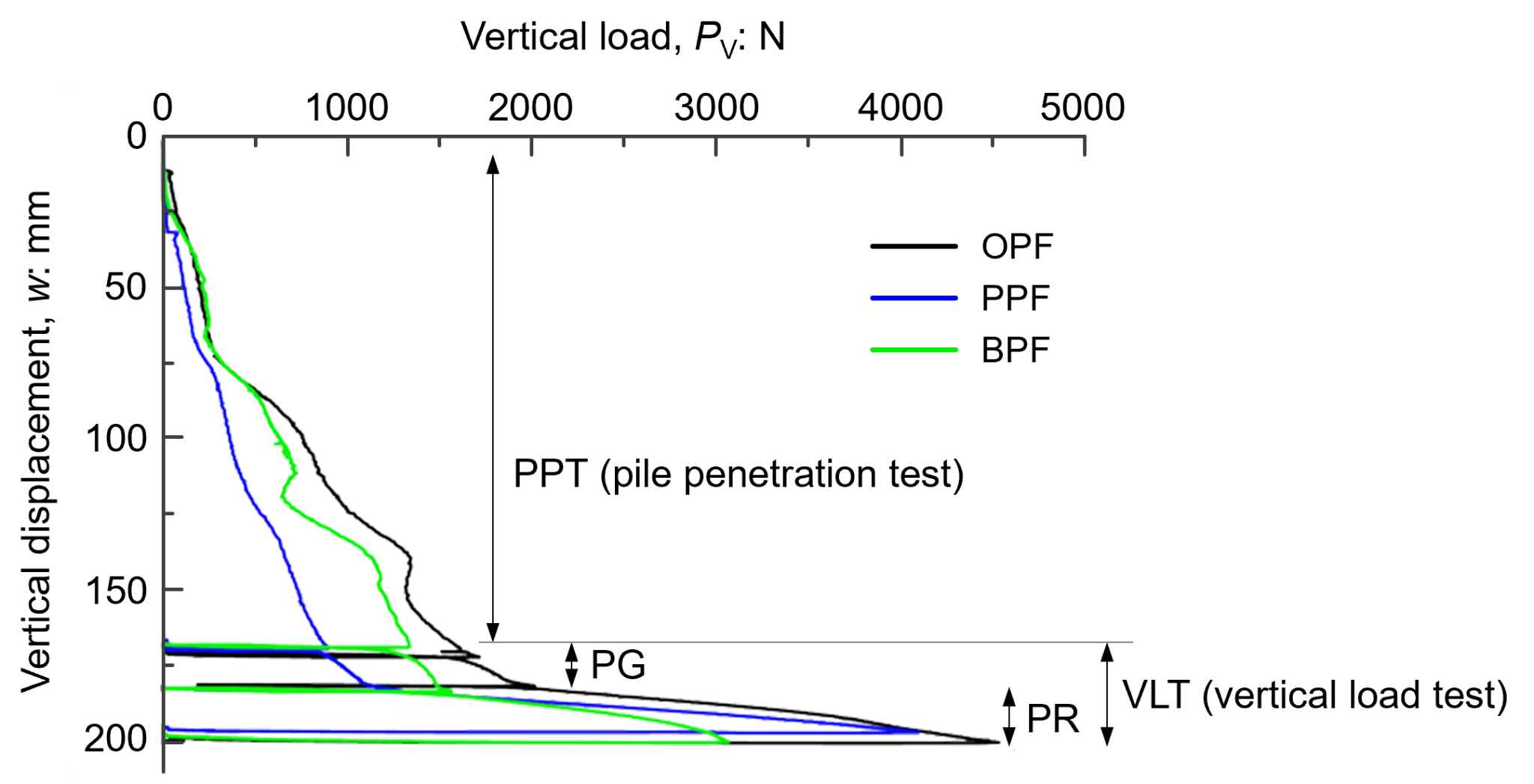
Fig. 2. Vertical load–displacement relations of three model foundations.
(Adapted from Xiong et al. (2024), International Journal of Physical Modelling in Geotechnics.)
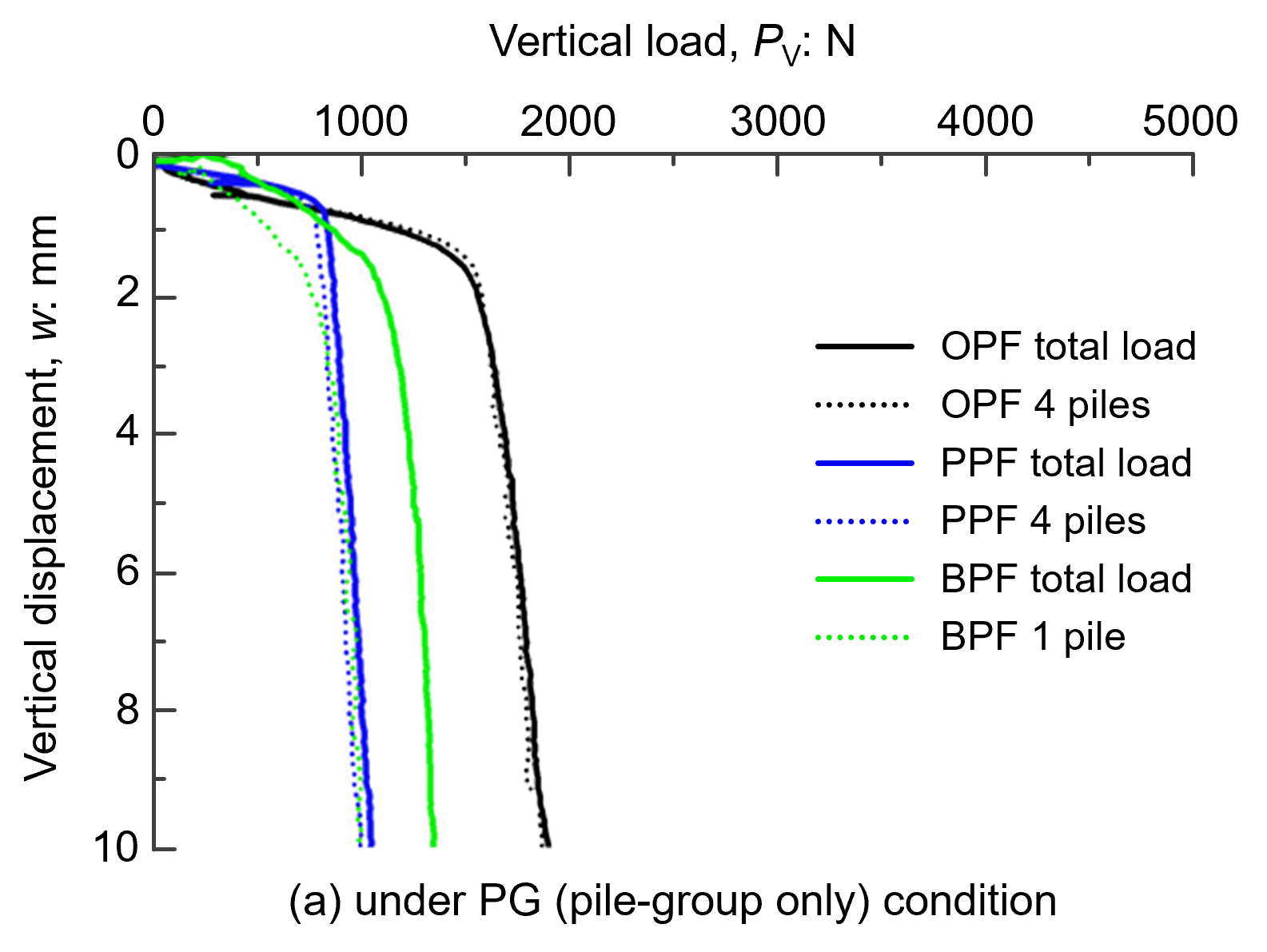
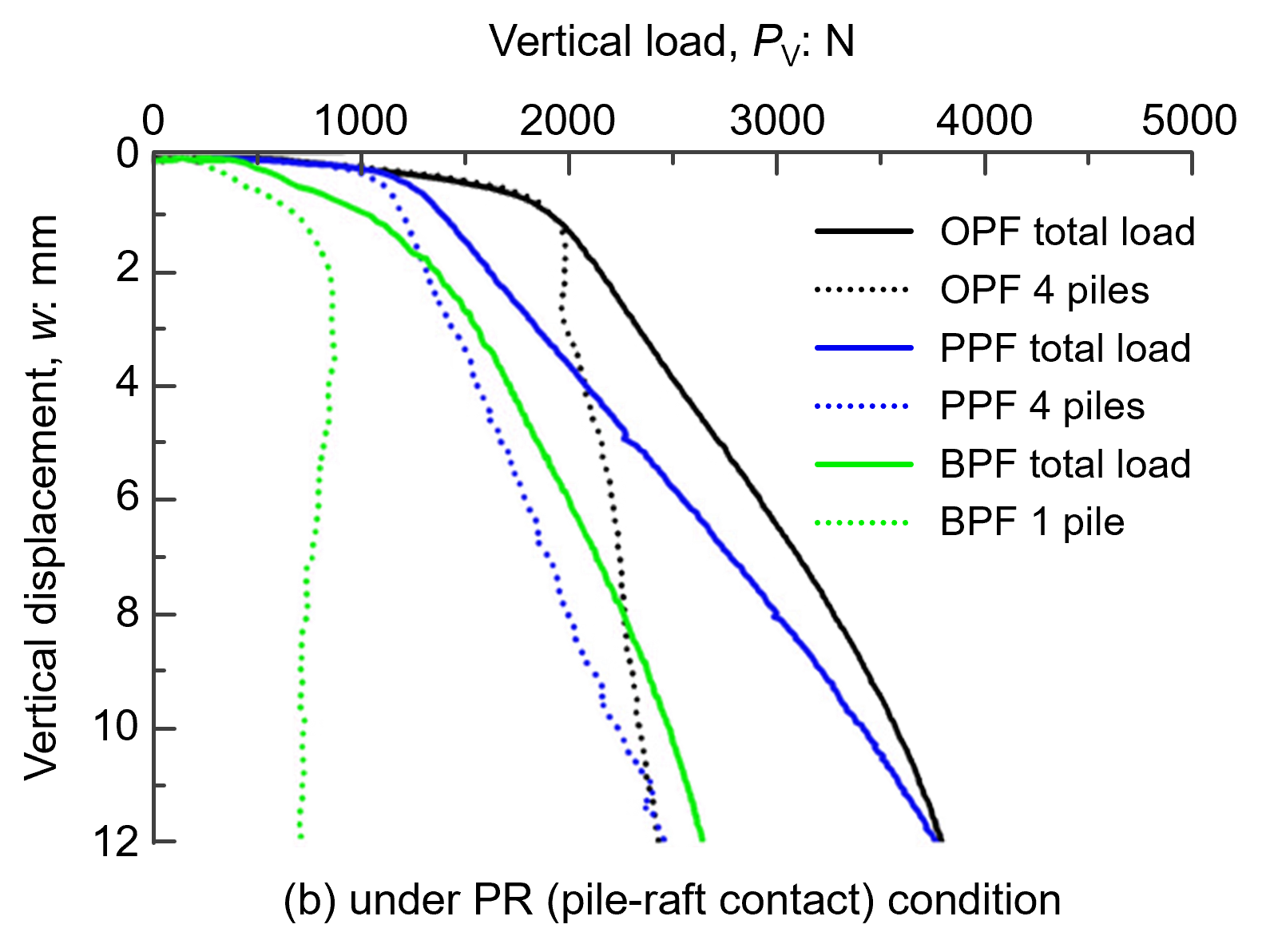
Fig. 3. Vertical load–displacement relationships under (a) PG (pile-group only) and (b) PR (pile-raft contact) conditions, showing load sharing between piles and raft. Raft contact significantly increased total capacity, especially for PPF (plate pile foundation).
(Adapted from Xiong et al. (2024), International Journal of Physical Modelling in Geotechnics.)
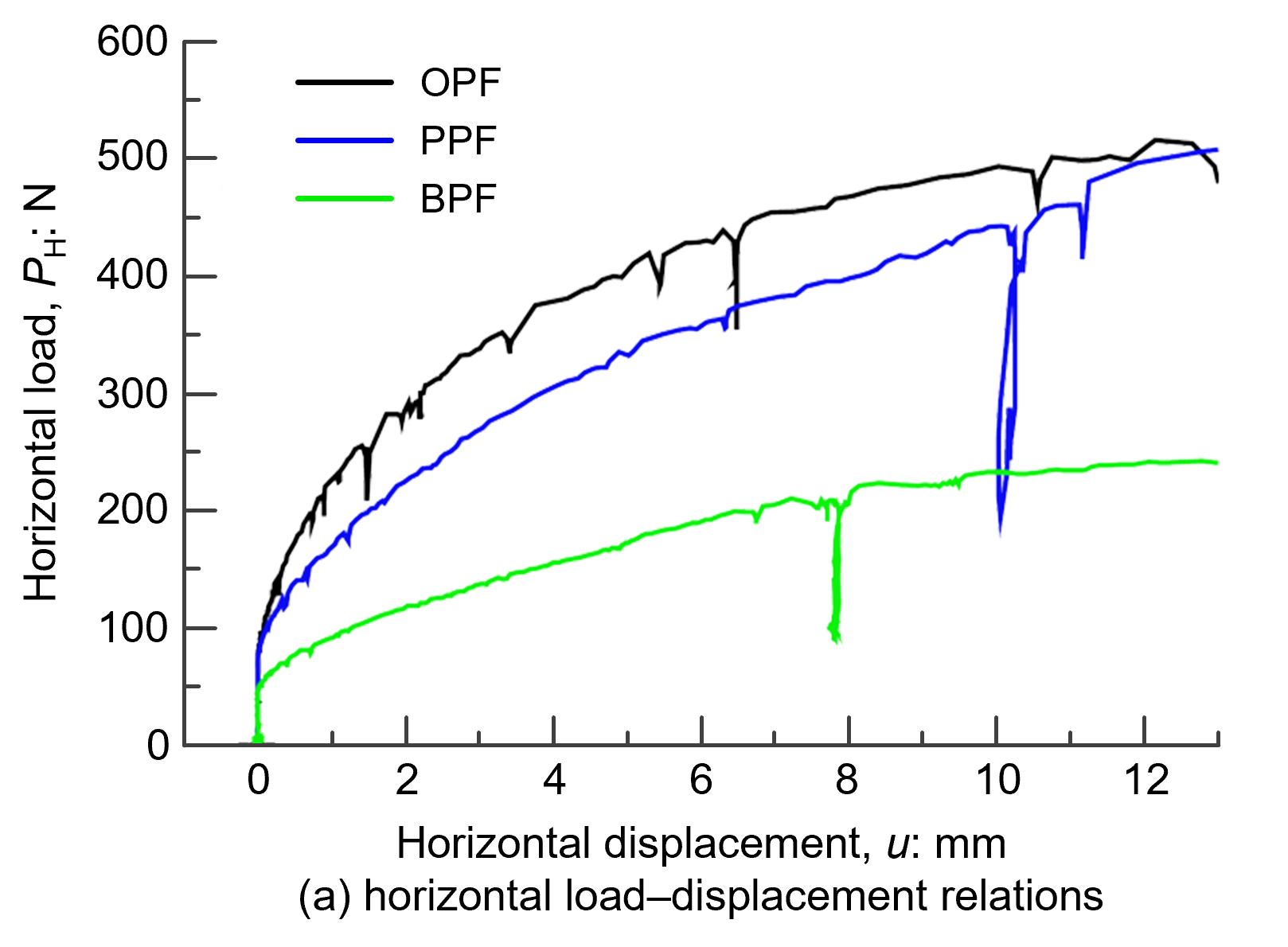
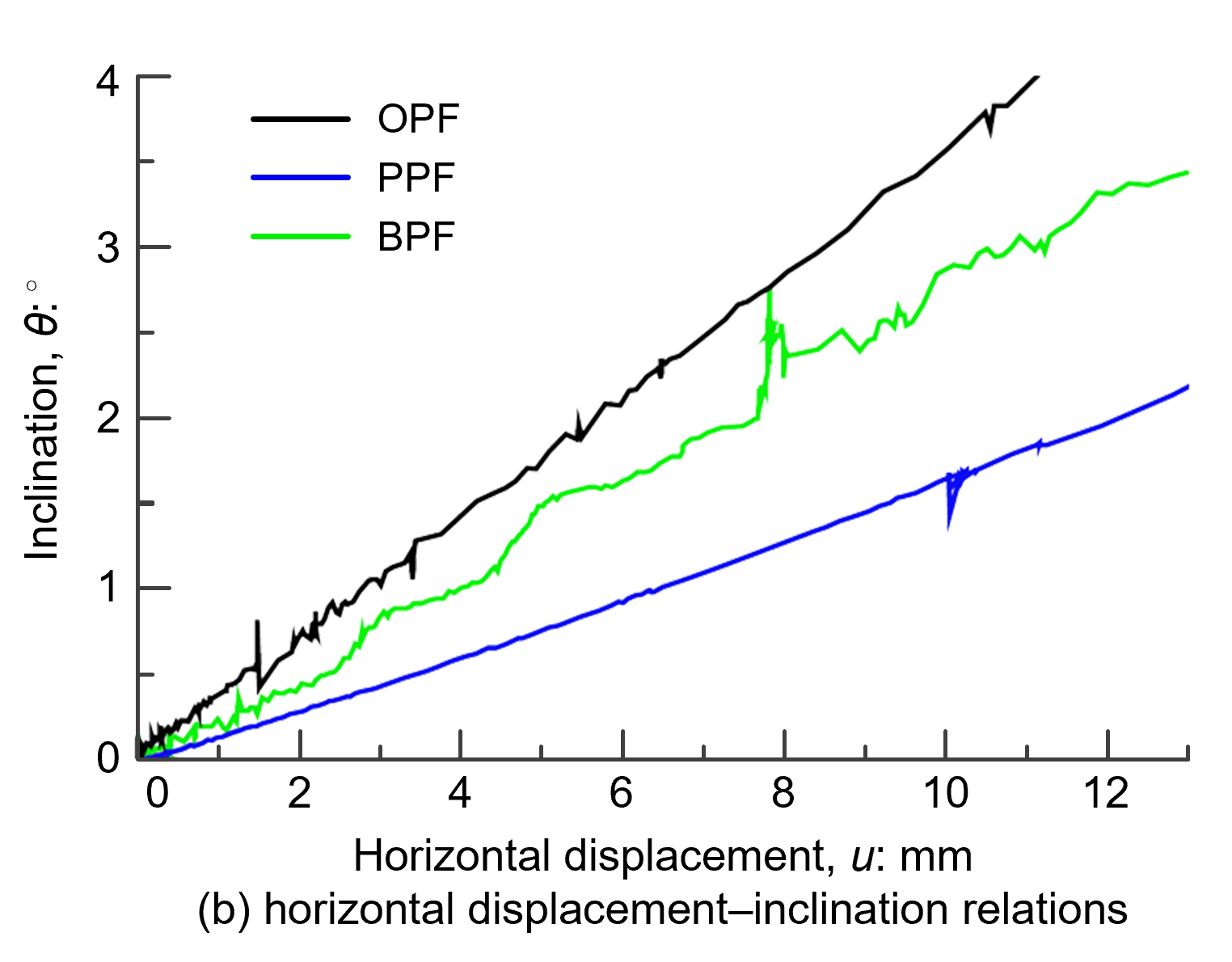
Fig. 4. Horizontal load test results of three model foundations: (a) horizontal load–displacement relations; (b) horizontal displacement–inclination relations. PPF achieved comparable horizontal capacity to OPF at larger displacements while minimizing raft inclination, demonstrating its advantage in rotation control.
(Adapted from Xiong et al. (2024), International Journal of Physical Modelling in Geotechnics.)
Significance & Impact for Press‑in Engineering
The results indicate that sheet‑pile‑supported piled‑raft foundations are a promising alternative to conventional pipe‑pile foundations, based on test‑verified behavior and model‑validated insights.
Practical implications include:- Raft contact: Under the tested conditions, raft–soil contact can raise the stress level around piles and help mobilize shaft resistance; the benefit appears to increase with plate‑pile shaft area (see Figure 3).
- Arrangement : The study suggests that layout/geometry and strong‑axis alignment of plate piles can be treated as primary variables for rotation control under lateral actions (see Figure 4).
- Model‑informed checks : When finite‑element analysis is used, calibrating interface parameters with single‑pile tests can provide credible predictions; for vertical checks, w = 0.1B is discussed in the study as a practical indicator.
Message from the Awardee (Corresponding Author)
Dr. Xi Xiong
Associate Professor, Kanazawa University
I am deeply honored to receive the 2024 Distinguished Research Award for our paper. The primary motivation of this study was to investigate whether steel sheet piles, enabled by recent advances in piling technology, could function as structural load-bearing elements in piled raft foundations rather than solely as retaining systems. In particular, the load-sharing mechanism between raft and sheet piles had not been comprehensively clarified.
The most noteworthy finding was the pronounced increase in shaft resistance under piled raft (PR) conditions. Although the sheet pile foundation exhibited lower resistance under pile group conditions, raft contact significantly enhanced confining stress and dilatancy of the soil around the piles, resulting in a substantial increase in shaft resistance and overall performance of sheet piles comparable to conventional pipe piles. This emphasizes the importance of foundation–soil interaction-based performance evaluation.
Numerical analyses further demonstrated strong sensitivity to the selected soil constitutive model and interface parameters, highlighting the necessity of careful calibration using single-pile load tests and stress-dependent modeling frameworks.
This recognition encourages our continued collaboration and advancement of performance-based, resilient foundation design.
After the Award — Motivation, Career, and New Initiatives
Receiving the 2024 Distinguished Research Award has had a meaningful impact on both my motivation and career trajectory. The recognition reinforced the importance of pursuing interaction-based foundation design and encouraged me to extend this research toward more complex and realistic ground conditions. It has also created opportunities to communicate with researchers and engineers concerned with resilient and performance-based foundation systems.
From a career perspective, the award has strengthened ongoing joint projects that connect academia with industry engineers, including discussions related to performance-based design approaches and potential contributions to technical guidelines. Engaging with practitioners has strengthened our focus on constructability, installation effects, and reliability under combined loading.
Several new initiatives are now underway. One direction focuses on optimizing the configuration of sheet piles within piled raft systems to improve load-sharing efficiency and overall performance. Another major direction extends the investigation to unsaturated soil conditions, assessing the influence of groundwater level fluctuations on bearing characteristics and load-sharing mechanisms. In parallel, advanced numerical modeling approaches are being developed to better capture stress-dependent unsaturated soil behavior and foundation–soil interaction under these complex conditions. Through these efforts, we seek to advance interaction-based foundation design under more realistic ground and loading environments. Finally, I would emphasize the importance of considering interaction effects rather than evaluating structural components in isolation.
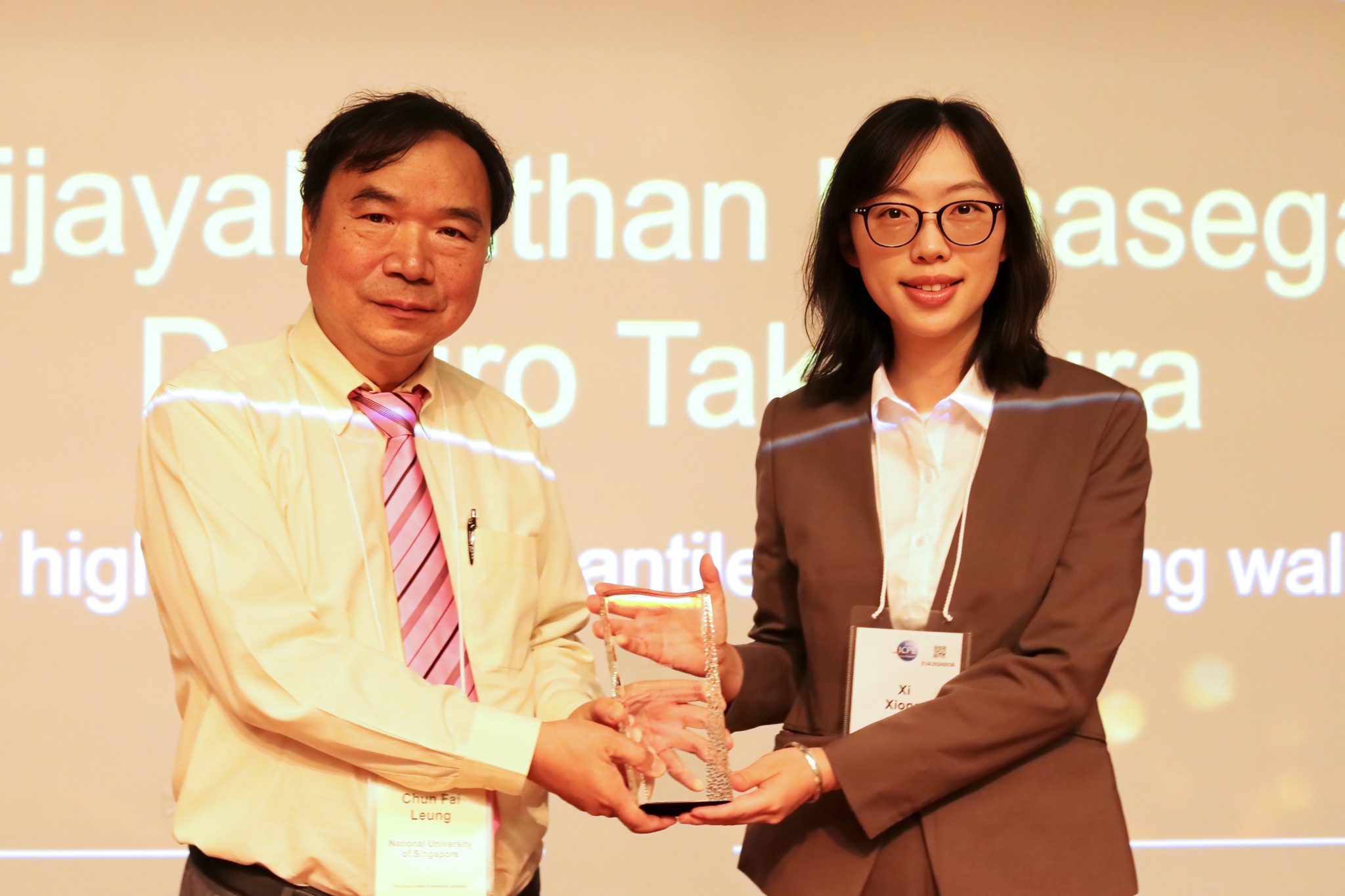 |
| Photo 1 Dr. Xi Xiong (right) receives the IPA Distinguished Research Award from Prof. Chun Fai Leung (President of IPA at the time) during the ICPE2024 award ceremony (Singapore, July 2024). |
Image Credits: Figures re‑drawn from Xiong et al. (2024), International Journal of Physical Modelling in Geotechnics. Used with author approval.
Further Information
- Complete list of recipients: https://www.press-in.org/en/page/distinguished_research_list
- Distinguished Research Award details and nomination form: https://www.press-in.org/en/page/distinguished_research
- Contact: ipa.award@press-in.org